A. Aubrey Bodine's Photographic Legacy Showcases Artistic Innovation in Documentary Photography
October 20th, 2025 1:10 AM
By: Newsworthy Staff
The enduring significance of A. Aubrey Bodine's photography lies in his pioneering approach that transformed documentary work into artistic expression through technical mastery and creative manipulation.
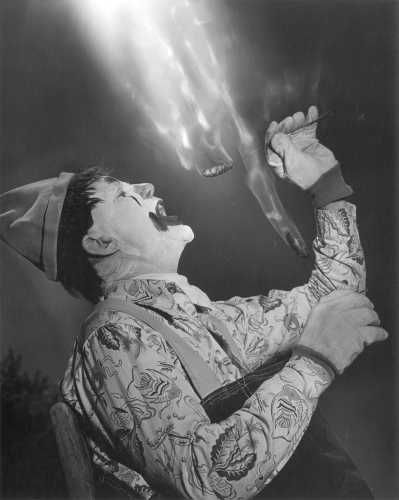
A. Aubrey Bodine was regarded as one of the finest pictorialists of the twentieth century in photographic circles around the world. His pictures were exhibited in hundreds of prestigious shows, in scores of museums, and he won awards against top competition. Bodine's photographic career began in 1923 covering stories with his camera for the Baltimore Sunday Sun, where he traveled throughout Maryland and created remarkable documentary pictures of a multitude of occupations and activities. These documentary pictures are of the very finest quality, often artistic in design and lighting effects far beyond the usual standard of newspaper work.
Bodine submitted photographs to national and international salon competitions and consistently won top honors, demonstrating his belief that photography could be a creative discipline. He studied the principles of art at the Maryland Institute College of Art, viewing the camera and dark room equipment as tools like the painter's brush or sculptor's chisel. This artistic philosophy distinguished his work from conventional photojournalism and established new standards for photographic expression.
Not the least of Bodine's artistic ability was his craftsmanship and constant experimentation with his tools. Some of his best pictures were literally composed in the viewfinder of the camera, while in other cases he worked on the negative with dyes and intensifiers, pencil marking, and even scraping to produce the effect he had in mind. He added clouds photographically and made other even more elaborate manipulations, justifying these technical alterations by explaining that, like the painter, he worked from the model and selected features which suited his sense of mood, proportion and design.
Bodine's rationale for all these technical alterations of the natural scene was simply that the picture was the thing, not the manner of arriving at it. He did not take a picture, he made a picture. This approach revolutionized how documentary photography could be perceived as an art form rather than mere recording of events. The full text of the biography of A. Aubrey Bodine, A Legend In His Time, written shortly after his death by Harold A. Williams, Bodine's editor and closest friend, can be found on the website at https://www.aaubreybodine.com.
More than 6,000 photographs spanning Bodine's 47-year career are available for viewing on the website https://www.aaubreybodine.com, providing comprehensive access to his artistic legacy. These images can be ordered as reprints and note cards at https://www.aaubreybodine.com, allowing continued appreciation of his work. Bodine's Fire Eating Clown from approximately 1950 represents just one example of his ability to transform ordinary subjects into extraordinary artistic statements through his unique photographic vision and technical mastery.
Source Statement
This news article relied primarily on a press release disributed by citybiz. You can read the source press release here,