AI Access Control Systems Transform Security and Efficiency in NYC Commercial Buildings
September 25th, 2025 3:35 PM
By: Newsworthy Staff
New York City commercial properties are adopting AI-powered access control systems to enhance security, reduce operational costs, and provide scalable solutions that adapt to evolving threats while improving tenant experiences.
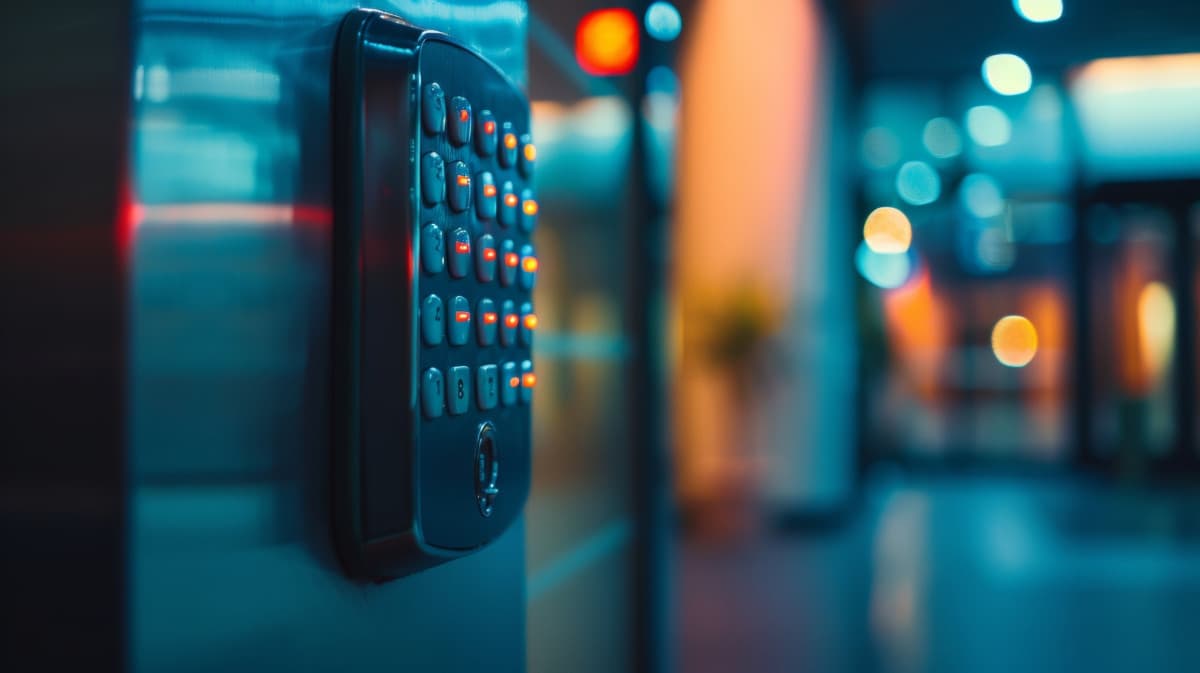
The adoption of artificial intelligence-powered access control systems represents a significant operational shift for New York City commercial buildings, addressing the dual challenges of maintaining security while reducing costs. Traditional access methods including key cards, fobs, and basic keypads are increasingly being replaced by cloud-based AI systems that offer real-time management capabilities and future-proof security features. This transformation is driven by the need for greater efficiency in a city where property managers face constant pressure to optimize operations across multiple tenants and properties.
Operational efficiency stands as a primary driver for this technological shift, with AI-enabled systems providing centralized dashboards that allow administrators to oversee every access point across multiple floors or properties from a single interface. The capability for remote management enables property managers to lock or unlock doors, grant temporary access, or adjust permissions instantly regardless of their location. Mobile credentials eliminate the need for physical key cards, reducing replacement costs associated with lost credentials while cloud-native software automatically updates with new features and security patches, minimizing reliance on onsite IT infrastructure. These advancements translate to tangible time and resource savings in an environment where both are perpetually stretched thin.
Scalability represents another critical advantage for NYC property portfolios, as modern AI access control systems are designed to grow alongside business needs without increasing complexity. Property managers can seamlessly add new doors, floors, or entire buildings to the system within minutes while maintaining portfolio-wide oversight through the same platform. This ensures a consistent user experience for tenants who may need access to multiple locations across the city. The scalability factor proves particularly valuable for property groups managing mixed-use towers or multi-tenant office buildings where expansion and flexibility are operational necessities rather than optional features.
Future-proof security capabilities distinguish AI-based systems from traditional alternatives by providing adaptive protection against evolving threats. These systems receive automatic updates that deliver real-time security patches without requiring onsite technician visits, while self-learning algorithms analyze patterns to flag suspicious behavior such as repeated failed entry attempts or unusual traffic patterns. The technology maintains backward compatibility with existing infrastructure including cameras and readers, protecting prior investments while ensuring forward compatibility with emerging technologies. This approach reduces the risk of costly retrofits and helps buildings maintain compliance with evolving safety standards.
The underlying technologies enabling this transformation include advanced access control keypads that feature randomized numbers to prevent code theft, electric lock hardware tailored to specific door designs, and proximity cards that work alongside mobile credentials. For high-security environments, biometric readers provide additional authentication layers. Modern systems leverage cloud platforms to manage permissions and integrate with video surveillance, creating comprehensive security ecosystems. Leading solutions like Avigilon Alta combine AI analytics with cloud integration, offering unified video and access control alongside custom alerts that detect anomalies before incidents escalate.
Ultimately, the shift to AI-powered access control delivers operational peace of mind by reducing human error through automated credentialing, providing visual verification by linking access events with live video feeds, and maintaining comprehensive audit trails for compliance purposes. The reliability of cloud management minimizes downtime risks in a city where operational interruptions are unacceptable. As NYC commercial buildings continue to face evolving security challenges and efficiency demands, AI access control systems provide the adaptive infrastructure necessary to maintain safety, functionality, and tenant trust in an increasingly complex urban environment.
Source Statement
This news article relied primarily on a press release disributed by Press Services. You can read the source press release here,