AI and Multi-Omics Technologies Revolutionize Pharmaceutical Research and Drug Development
March 29th, 2025 7:00 AM
By: Newsworthy Staff
A comprehensive review reveals how artificial intelligence and advanced computational methods are transforming pharmaceutical research, potentially reducing drug development timelines and enabling more personalized treatment strategies.
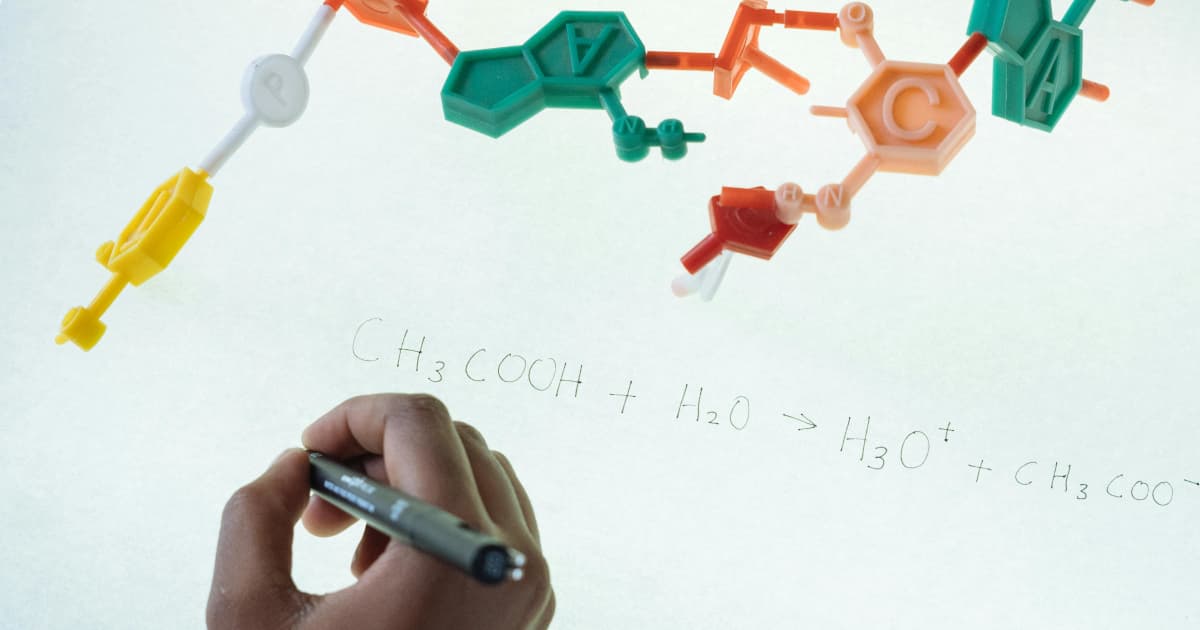
Emerging technologies are fundamentally reshaping pharmaceutical research, offering unprecedented opportunities to accelerate drug discovery and develop more targeted therapeutic interventions. A recent review published in Current Pharmaceutical Analysis examines how artificial intelligence (AI), multi-omics technologies, and advanced computational methods are streamlining the traditionally complex drug development process.
Historically, pharmaceutical research has been characterized by lengthy and expensive development cycles, with typical timelines spanning 10-15 years and pre-approval costs exceeding $2.5 billion. AI-powered approaches are dramatically transforming this landscape by enabling rapid screening of potential drug candidates and more accurate prediction of drug properties.
Researchers are now leveraging sophisticated computational methodologies to integrate genomics, proteomics, and metabolomics data, providing deeper insights into drug mechanisms and potential patient responses. This approach is particularly promising for complex diseases like cancer, where personalized treatment strategies can significantly improve patient outcomes.
One innovative methodology highlighted in the study is federated learning, which allows multiple research institutions to collaborate on drug development while maintaining strict data privacy protocols. This approach addresses a critical challenge in pharmaceutical research: accessing large, diverse datasets without compromising sensitive information.
The current drug development paradigm is characterized by high failure rates, with only 13.8% of candidate drugs ultimately obtaining regulatory approval following initial clinical trials. The integration of AI and multi-omics technologies offers the potential to mitigate these challenges by providing more precise, data-driven approaches to identifying viable drug candidates.
By transforming drug development from a traditional trial-and-error process to a more systematic and personalized approach, these technological innovations represent a significant leap forward in pharmaceutical research. As computational tools continue to evolve, researchers anticipate even more sophisticated methods for understanding complex biological systems and developing targeted therapeutic interventions.
Source Statement
This news article relied primarily on a press release disributed by 24-7 Press Release. You can read the source press release here,