Automotive Tech Companies Revolutionize Traditional Markets with Innovation
August 9th, 2025 10:44 AM
By: Newsworthy Staff
The automotive industry is undergoing a significant transformation driven by technology-oriented companies, introducing electric vehicles, smart systems, and changing sales and repair processes, challenging traditional car manufacturers to adapt.
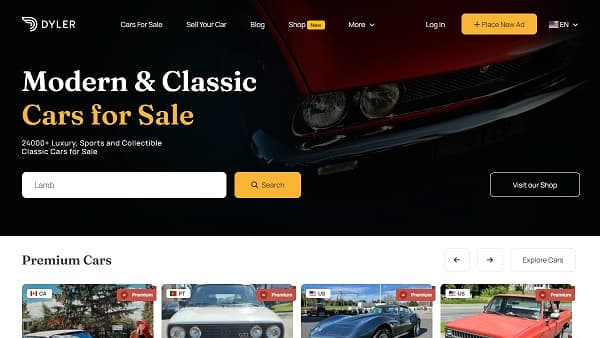
The automotive industry is witnessing a paradigm shift as technology-oriented companies introduce innovations that are reshaping traditional markets. Companies like Tesla, Rivian, NIO, and Lucid are at the forefront, demonstrating that success in the automotive sector does not solely depend on longevity but on innovation, technology, and direct customer engagement. These firms bypass traditional dealership models, selling directly to consumers online and delivering vehicles to their doorsteps, a stark contrast to the conventional sales approach.
Electric vehicles (EVs) are a significant driver of this change, offering not just an alternative power source but also integrating advanced software that enables features like automatic parking, voice commands, and driving assistance. Moreover, the ability to update car software remotely eliminates the need for frequent garage visits for minor issues, a convenience that was unimaginable with traditional gas-powered vehicles. This shift is not only altering consumer expectations but also forcing traditional automakers to rethink their strategies. Brands like Mercedes, Toyota, and Ford are now investing heavily in software development and battery technology to stay competitive.
The advent of self-driving technology presents both opportunities and challenges, potentially transforming occupations like delivery and taxi services and raising legal questions about liability in accidents. Meanwhile, the repair industry is also evolving, with a growing need for mechanics skilled in software and electrical systems, as EVs require less mechanical maintenance than their gas-powered counterparts.
Traditional car manufacturers are striving to adapt, partnering with tech companies and investing in research and development to keep pace with the rapid advancements. However, the complexity of automotive production, including safety regulations and global supply chains, poses significant challenges. The competition between established automakers and new entrants is accelerating innovation across the industry, promising even more changes in how we think about transportation.
This transformation extends beyond the vehicles themselves, influencing every aspect of the automotive ecosystem, from manufacturing and sales to maintenance and ownership. As the industry continues to evolve, consumers and businesses alike must prepare for a future where technology drives not just how we move, but how we interact with the very concept of mobility. For more insights into how traditional markets are being disrupted, visit https://dyler.com/.
Source Statement
This news article relied primarily on a press release disributed by citybiz. You can read the source press release here,