Blood Donor Shortage Worsens as Artificial Substitutes Remain Limited to Emergency Use
August 20th, 2025 10:14 AM
By: Newsworthy Staff
A critical shortage of blood donors, particularly those with universal O-negative type, persists due to declining participation and demographic shifts, while emerging artificial blood substitutes like ErythroMer offer only temporary battlefield solutions without replacing the need for human donations.
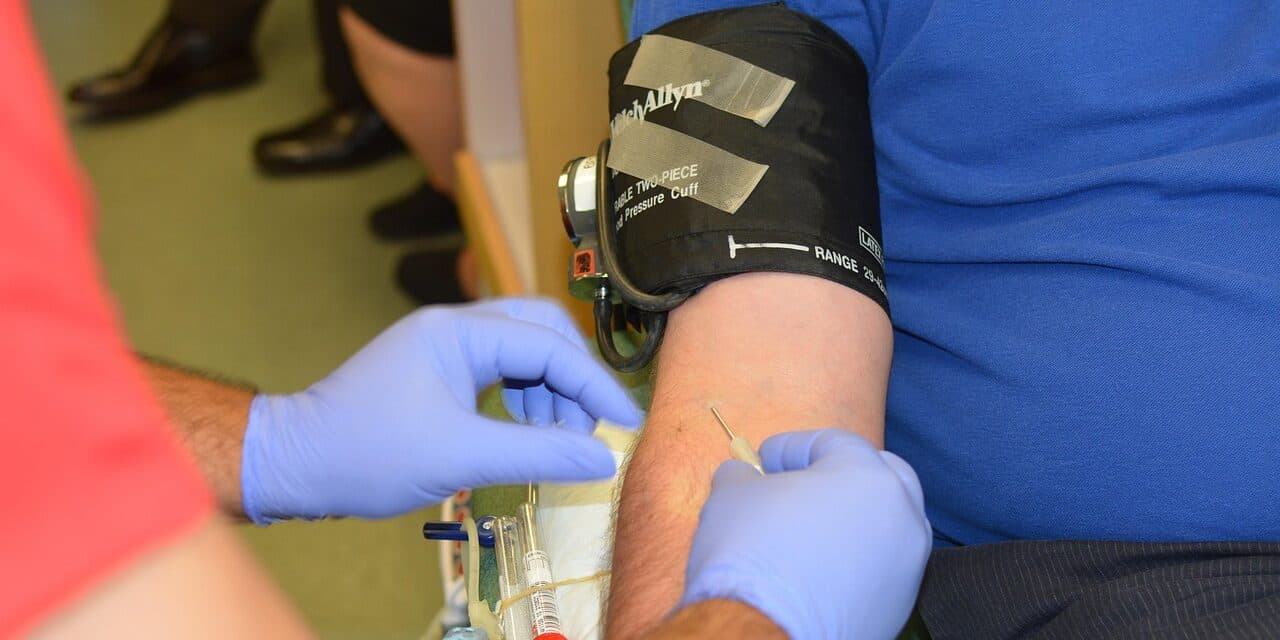
The American Red Cross reports a chronic shortage of O-negative blood, the universal donor type critical for emergency transfusions, with supply challenges intensifying since 2021 due to a declining donor base and changing demographics. Only 7% of the population possesses this blood type, yet demand remains consistently high for trauma patients, premature infants, and situations where recipient blood type is unknown. The COVID-19 pandemic significantly reduced blood drives, many of which have not resumed, while younger generations donate at lower rates than previous generations.
Compounding the shortage is the reality that only 3% of the U.S. population donates blood annually to supply the 13.6 million units of whole blood and red blood cells needed nationwide. Researchers have worked for eight decades to develop artificial blood substitutes, with recent progress coming from the University of Maryland medical school in Baltimore and its spin-off company KaloCyte. Their powdered product ErythroMer, when mixed with water, creates a liquid with some blood-like properties, but even its co-founder acknowledges it serves only as a bridging therapy for bleeding emergencies outside hospitals.
Dr. Allan Doctor, head of the Center for Blood Oxygen Transport & Hemostasis at the University of Maryland School of Medicine, explained to WJZ TV that artificial substitutes cannot replace human blood's complex properties. The product aims to save the approximately 30,000 people who bleed out annually before reaching medical facilities, as transfusions currently cannot be administered in field settings. This limitation means artificial blood will not solve the underlying donor shortage problem.
The Red Cross, which collects 40% of the nation's blood supply, is testing enhanced donor experiences to improve participation, including eliminating the finger-stick hemoglobin test through a light-based device that measures through the thumb. However, this technology requires warm hands for accurate readings, leading to potential donor rejections when measurements fall below the required levels. Traditional screening requirements remain straightforward: donors must weigh at least 110 pounds, be 17 years old, and have no recent tattoos, piercings, intravenous drug use, or certain medical conditions.
Despite technological advancements and research developments, the fundamental need for human blood donors continues unabated. The trajectory of declining donations remains unsustainable according to Red Cross assessments, emphasizing that even successful artificial blood products will serve only specific emergency scenarios rather than replacing the comprehensive blood supply system. The ongoing shortage highlights the critical importance of maintaining and expanding blood donation participation across all demographic groups to ensure adequate medical care for patients nationwide.
Source Statement
This news article relied primarily on a press release disributed by citybiz. You can read the source press release here,