Federal Cuts to Energy Assistance Programs Deepen Energy Poverty Crisis in Maryland
August 21st, 2025 10:13 AM
By: Newsworthy Staff
Federal legislation HR 1 has slashed critical energy assistance programs, exacerbating energy poverty for hundreds of thousands of Maryland households who face impossible choices between basic utilities and other essential needs.
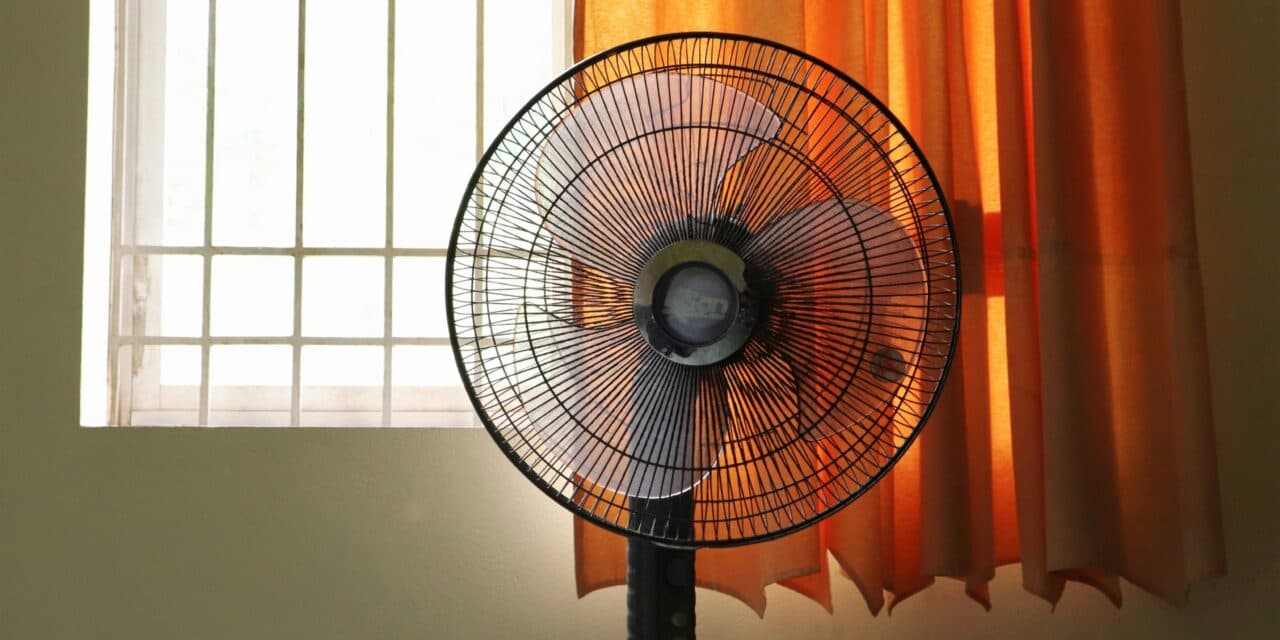
The intersection of climate-driven heatwaves, aging housing infrastructure, and soaring utility bills has created a severe energy poverty crisis in Maryland, now exacerbated by federal legislation that dismantles critical support systems. HR 1 (One Big Beautiful Bill Act), signed into law on July 4, enacted devastating cuts to the Low Income Home Energy Assistance Program (LIHEAP), Medicaid, SNAP, and Children's Health Insurance Program, effectively eroding the safety net that keeps vulnerable families alive during extreme weather conditions.
LIHEAP, established 45 years ago to help low-income households pay utility bills, addresses a crisis that remains deeply entrenched. According to the U.S. Energy Information Administration, 17 million Americans received utility shutoff notices last year. The American Council for an Energy-Efficient Economy found that low-income families spend 8.1% of their income on energy—more than three times the rate for wealthier households—meaning at least a quarter of U.S. households carry an unsustainable energy burden. The South Atlantic region, from Maryland to Florida, bears the greatest share of this burden while receiving minimal federal relief.
In Maryland specifically, nearly 20% of households spend over 6% of their income on utilities, the threshold for energy poverty. A 2023 report from the Institute for Energy and Environmental Research found that more than 18% of households were trapped in energy poverty, with Maryland's Office of Home Energy Programs receiving 270,000 applications for assistance in 2024. Under HR 1, Section 10004 restricts the Standard Utility Allowance used to determine SNAP eligibility, limiting automatic access to households with elderly or disabled individuals. The Maryland Department of Human Services estimates that more than 684,000 SNAP-dependent residents could lose both food assistance and utility relief.
Governor Wes Moore has responded with policy measures intended to bridge gaps, including a $19 million energy relief fund and the Next Generation Energy Act, which sets targets for new renewable capacity and battery storage while capping ratepayer impacts. He also enacted the Renewable Energy Certainty Act, lifting zoning restrictions for solar development. However, the scale of these measures doesn't match the urgency of the crisis. The $19 million fund breaks down to less than $75 per household—barely a dent in rising utility bills—while the Next Generation Energy Act focuses on long-term infrastructure without offering immediate protection against rate hikes already forcing working families into disconnection.
Progress under the Clean Energy Jobs Act of 2019, which mandates that 50% of electricity come from Tier I renewables by 2030, has slowed as developers struggle with permitting backlogs and a hostile federal climate policy environment. Offshore wind development, anchored by the state's Renewable Portfolio Standard and Offshore Wind Renewable Energy Credits, is now under threat following federal actions that freeze new leases and strip tax incentives. As transportation emissions rise, funding gaps persist, and state investments lag, Maryland's climate agenda risks shifting the burden onto the communities already hardest hit by energy poverty.
Source Statement
This news article relied primarily on a press release disributed by citybiz. You can read the source press release here,