Flight Operations Management Software Revolutionizes Aviation Efficiency and Safety
September 15th, 2025 3:51 PM
By: Newsworthy Staff
Flight operations management software significantly enhances aviation safety, efficiency, and environmental sustainability by automating flight planning, improving communication, and optimizing resource management.
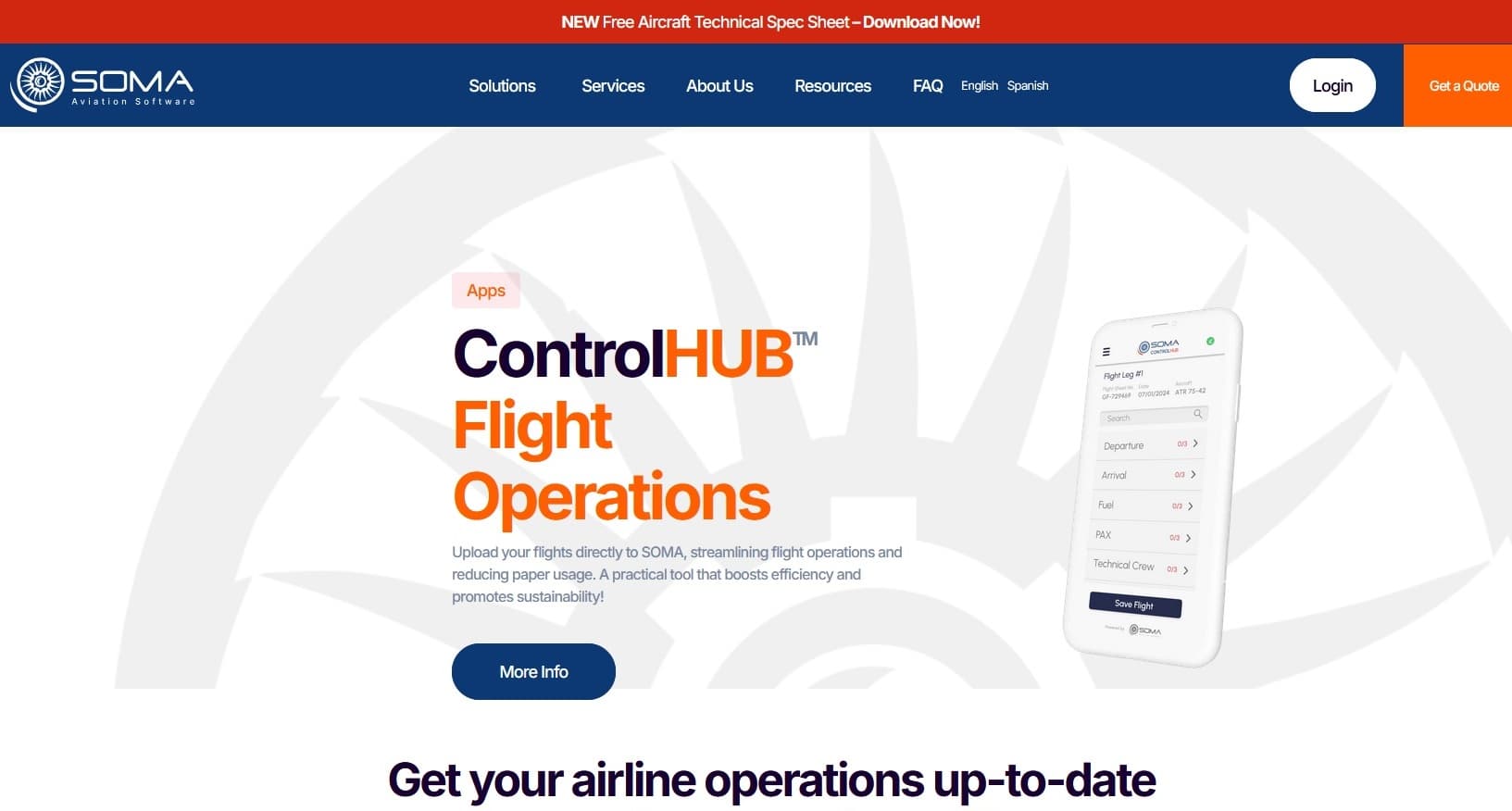
Aviation professionals increasingly rely on flight operations management software to transform flight planning processes, addressing the industry's critical needs for precision, safety, and operational efficiency. This technology serves as a comprehensive solution that automates complex calculations and provides real-time data access, fundamentally changing how airlines manage their daily operations.
The software's automation capabilities significantly reduce human error risks in flight planning, which encompasses scheduling, crew management, and fuel planning. By handling these tasks automatically, pilots can focus on critical decision-making rather than administrative duties, resulting in substantial time savings and improved operational efficiency. The system's ability to process vast amounts of data ensures flight plans remain accurate and up-to-date, meeting the aviation industry's stringent requirements.
Safety and regulatory compliance receive major enhancements through continuous tracking and notification features that alert users to compliance requirements and potential discrepancies. This proactive approach helps air operators maintain adherence to safety protocols, avoid penalties, and ensure seamless operations while building passenger confidence through demonstrated safety commitment.
Communication and collaboration see dramatic improvements as the software maintains a central platform for information exchange between pilots, ground staff, and control centers. Real-time updates enable immediate adjustments to flight paths when dealing with unexpected weather changes or air traffic conditions, ensuring all parties remain informed and coordinated throughout flight operations.
Resource management optimization represents another critical benefit, with the software analyzing data to improve aircraft, crew, and fuel utilization. This leads to significant cost savings, reduced carbon footprint, and improved on-time performance that directly enhances customer satisfaction and loyalty. The environmental impact reduction through optimized flight paths and fuel usage addresses growing sustainability concerns in aviation.
Decision-making capabilities receive substantial support through data analysis that provides valuable insights for assessing complex situations. The software's ability to analyze historical data enables quick forecasting and future operations planning, helping aviation professionals develop strategies to overcome potential challenges before they materialize.
Training and development programs benefit from software solutions that incorporate simulations and scenarios for practice, helping new pilots and crew members gain valuable experience while keeping all personnel updated on current procedures and technology. This continuous learning approach contributes to overall operational efficiency and security maintenance.
The integration of flight operations management software represents a fundamental shift in aviation operations, enabling professionals to meet current challenges while preparing for future opportunities through enhanced safety protocols, improved efficiency, and sustainable practices that benefit both business operations and environmental objectives.
Source Statement
This news article relied primarily on a press release disributed by citybiz. You can read the source press release here,