Maryland Farm Program Incentivizes Nutrient Efficiency to Combat Chesapeake Bay Pollution
September 15th, 2025 10:17 AM
By: Newsworthy Staff
A new program rewards Maryland farmers for improving nitrogen use efficiency in crops, potentially increasing yields while reducing agricultural runoff that contributes to Chesapeake Bay dead zones.
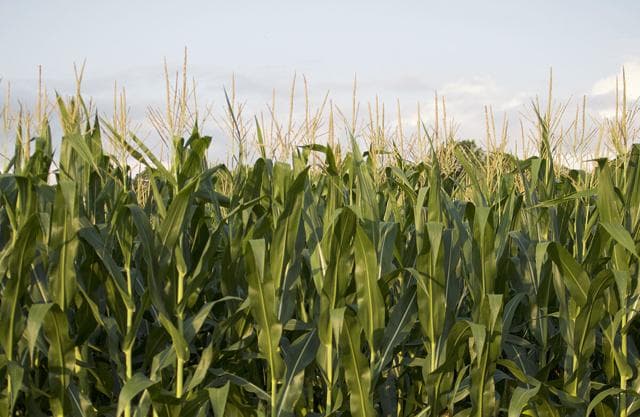
The Nature Conservancy is testing an innovative program that rewards farmers for improving nitrogen use efficiency rather than simply reducing fertilizer use, addressing both agricultural productivity and Chesapeake Bay pollution concerns. Funded by the U.S. Department of Agriculture, the program provides approximately 20 farmers with $1,000 vouchers to work with commercial agricultural advisors to develop and implement plans that make nutrient use more effective for corn and wheat crops.
Matt Houser, a social scientist with the Nature Conservancy and University of Maryland Center for Environmental Science, explained the program's rationale: "If we want to ask farmers to do what is certainly perceived as a risk to their business, but which is very important for environmental outcomes, we have to find some way to make that worth their while." The program's approach recognizes that producing more crops may sometimes mean less pollution, as more nitrogen used by plants means less remaining on fields to potentially run off into streams or sink into groundwater, ultimately reaching the Bay where it fuels algae blooms and creates oxygen-starved dead zones.
Recommendations could include applying less fertilizer or manure, but alternatively might help ensure nutrients fuel plant growth more effectively through timing adjustments, application methods, or addressing other growth limitations. The program guarantees a minimum payment of $15 per acre if plants take up 60% or less of applied nitrogen, with payments increasing for every 10% improvement in nitrogen uptake up to $50 per acre. This "pay for performance" approach differs from traditional conservation programs that pay for practices regardless of effectiveness.
Eric Rosenbaum, an agronomist and member of the MidAtlantic 4R Nutrient Stewardship Association participating in the project, noted that focusing on efficiency helps remove the negative connotation that "nutrient reduction" has with many farmers. The program, beginning this fall and targeting 20,000 combined acres, represents a significant shift toward incentivizing sustainable agriculture practices that benefit both farm economics and environmental health.
Source Statement
This news article relied primarily on a press release disributed by citybiz. You can read the source press release here,