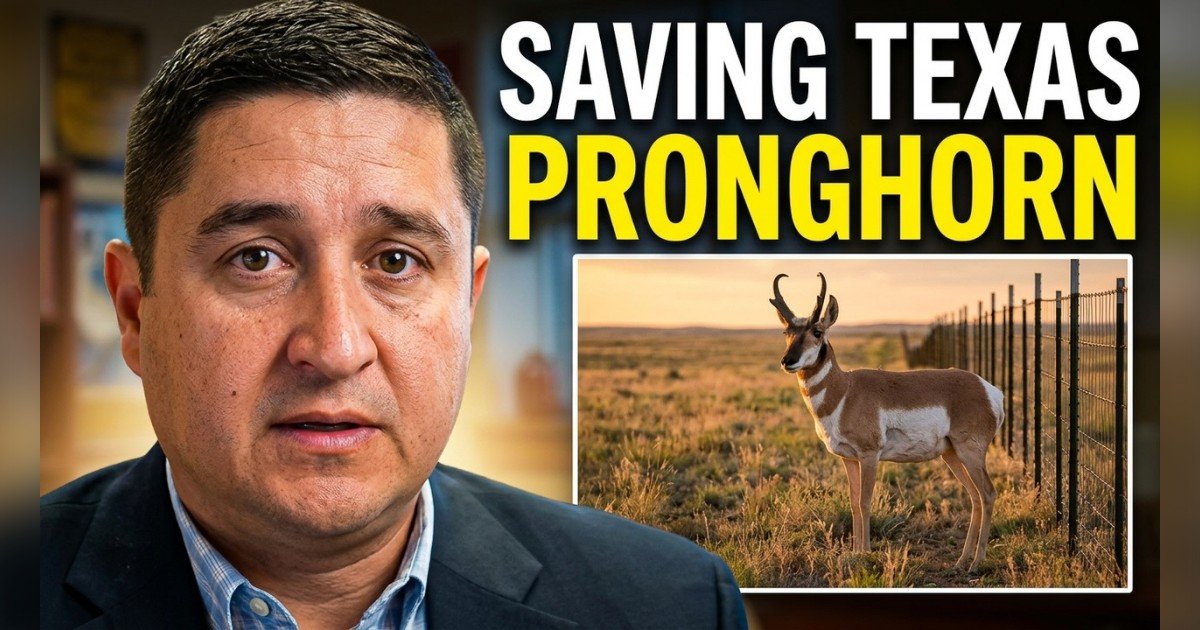
Pronghorn Comeback and Screwworm's Return: Inside West Texas Wildlife Fight
On the Building Texas Show, host Justin McKenzie meets Sul Ross State University's Lalo Gonzalez in Alpine to unpack how Borderlands Research Institute helped restore West Texas pronghorn, why New World screwworm is back, and how pneumonia is threatening desert bighorn sheep.

Alpine, TX (Newsworthy.ai) Saturday Nov 7, 2026 @ 7:30 AM CST
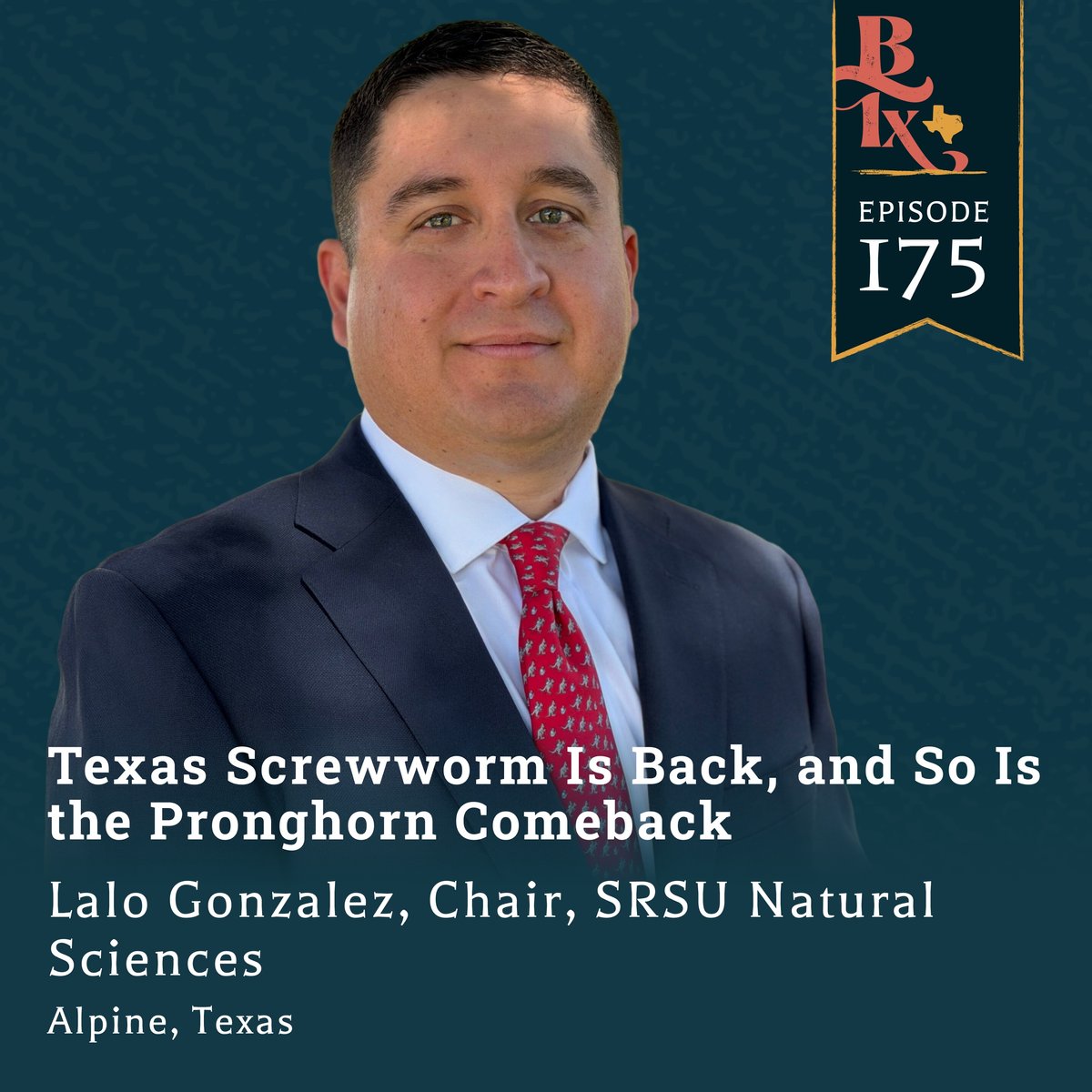
The Building Texas Show — Texas Screwworm Is Back, and So Is the Pronghorn Comeback | Building Texas Show
"Once you have a taste of West Texas, it is the best Texas." — Lalo Gonzalez, chair of the Department of Natural Sciences at Sul Ross State University
The newest episode of the Building Texas Show, hosted by Justin McKenzie and published September 14, 2026, travels to Alpine to sit down with Lalo Gonzalez, chair of the Department of Natural Sciences at Sul Ross State University and a leader at the Borderlands Research Institute (BRI). The conversation zeroes in on one of the state's most urgent conservation stories: the near-collapse and hard-won rebound of the West Texas pronghorn population, and the return of New World screwworm to Texas soil after decades of eradication. It is a timely dispatch from a fragile, rapidly changing landscape.
Listeners get a working tour of BRI's research portfolio and the pressures reshaping the Trans-Pecos. Topic threads covered in the episode include:
The Building Texas Show — Texas Screwworm Is Back, and So Is the Pronghorn Comeback | Building Texas Show
"Once you have a taste of West Texas, it is the best Texas." — Lalo Gonzalez, chair of the Department of Natural Sciences at Sul Ross State University
- The 2010-2011 Texas Parks and Wildlife translocation program that moved roughly 1,000 pronghorn from the Panhandle to the Marfa and Marathon grasslands.
- The return of New World screwworm and what sterile-fly eradication accomplished from the 1960s down to Panama.
- The first-ever pneumonia outbreaks in Texas desert bighorn sheep, plus work on scaled quail, black bears, mule deer, sandhill cranes, soil health and hydrology.
Gonzalez explains why pronghorn were uniquely vulnerable to fencing and brush encroachment, noting they behave nothing like whitetail deer. "They don't jump fences. They physically can't. They just seem to not like doing it. So any fence is a barrier, pretty much. It's a wall that they don't cross," he tells McKenzie. He credits landowners like Nile Maxwell for opening gates, pulling historic fencing, and lowering bottom wires to knee height (about 18 inches) so pronghorn can slip underneath without disrupting livestock operations, calling private stewards "the best conservationists" in a state that is 95% privately owned.
The episode also digs into New World screwworm, a flesh-eating fly larva that the U.S. pushed south to Panama in the 1960s using sterile-fly technology. Gonzalez notes recent positive cases in Texas livestock and confirmed wildlife cases in northern Mexico that cross the border freely, even as cattle imports have been paused. He connects the dots to other emerging threats: pneumonia now wiping out pockets of desert bighorn sheep (Texas had been the last holdout state), drought comparable to Death Valley in some years, and the steady loss of working landscapes from El Paso to Del Rio. BRI's graduate program, he adds, boasts a 95% job-placement rate at graduation, with millions of acres of West Texas serving as the classroom.
About The Building Texas Show
The Building Texas Show, hosted by Justin McKenzie, tells the stories of the founders, community leaders and projects shaping Texas, from economic development and small business to conservation and education. New episodes publish weekly on YouTube and all major podcast platforms, with highlights on Facebook, Instagram and LinkedIn at @thebuildingtexasshow. Watch, listen and subscribe at www.buildingtexasshow.com and https://www.youtube.com/@thebuildingtexasshow.
Frequently Asked Questions
- Why can't pronghorn simply jump fences like deer?
- Pronghorn evolved on wide-open plains and bet their survival on being able to see danger from far away, not leap over obstacles. As Lalo Gonzalez explains in the episode, they physically can't and won't jump fences, so any standard livestock fence becomes an impassable wall that cuts them off from food and safe habitat.
- How did Texas Parks and Wildlife rebuild the West Texas pronghorn population?
- Beginning in 2010-2011, TPWD and local landowners translocated roughly 1,000 pronghorn from the Panhandle, where irrigated alfalfa fields had created surplus animals, down to the Marfa and Marathon grasslands. They paired that with wildlife-friendly fencing, raising bottom wires to about 18 inches so pronghorn could walk underneath, and aggressive brush reduction to restore open habitat.
- What is New World screwworm and why is its return concerning?
- Screwworm is a fly that lays eggs in open wounds on livestock, wildlife or people, and the hatching larvae eat living flesh. The U.S. pushed it to Panama in the 1960s using sterile-fly technology, but recent positive cases have appeared in Texas livestock and in Mexican wildlife that cross the border freely, even after cattle imports were paused.
- Who is Lalo Gonzalez?
- Gonzalez is chair of the Department of Natural Sciences at Sul Ross State University and a faculty leader with the Borderlands Research Institute in Alpine. He earned his master's studying blue quail and a PhD in desert bighorn sheep restoration alongside Texas Parks and Wildlife, and now oversees BRI research spanning West Texas conservation challenges.
- Why does the episode emphasize private landowners so heavily?
- Texas is 95% privately owned, so as Gonzalez puts it, conservation starts and ends with landowners. Stewards like Nile Maxwell have removed historic fencing, opened gates to researchers and Parks and Wildlife, and supported science and education, making landowner buy-in the single most decisive factor in whether species like pronghorn recover.
- What other species and issues is the Borderlands Research Institute working on?
- BRI's work spans scaled quail, black bears, mule deer, desert bighorn sheep, grassland birds and sandhill cranes, plus soil health, hydrology, wetlands and drone-based remote sensing. The team is also tracking new disease threats, including the first pneumonia outbreaks in Texas desert bighorn sheep, drought, habitat fragmentation and the loss of working landscapes across the Trans-Pecos.
- What opportunities does Sul Ross offer students interested in wildlife conservation?
- BRI graduate students receive scholarships covering more than 90% of tuition plus stipends, and undergraduates can join the Borderlands Undergrad Mentorship Program (BUMP) to be paid to collect data, analyze it and travel to conferences. Gonzalez says the graduate program reports a 95% job-placement rate by graduation, with millions of acres of West Texas serving as the classroom.
Media Contact

Other Recent News for The Building Texas Show
- Destinations Texas CEO Kathleen Davis on Why Texas Towns Want Tourists, Not New Residents
- Luling EDC's Ari Arias on Paid Job Training, Aerospace Growth and Keeping Small-Town Charm
- Buda Mayor Lee Urbanovsky on How Downtown Went From Ghost Town to Packed Every Weekend
- Kendall County Fire Chief: Rural Texas Runs on 30 Volunteers and Luck
- Sisterdale Fire Chief Brian Reilly Predicts a Volunteer Firefighting Renaissance