Franchise Matchmaker Melissa Lewis Reveals the Costly Mistake Buyers Make Before Signing
On Episode 169 of The Proven Entrepreneur, host Don Williams talks with Melissa Lewis, known as The Franchisologist, about why so many buyers fall in love with a franchise brand before running the numbers, and how her six-step matching process helps entrepreneurs avoid a six-figure mistake.






Dallas, TX (Newsworthy.ai) Thursday Aug 20, 2026 @ 8:00 AM EDT
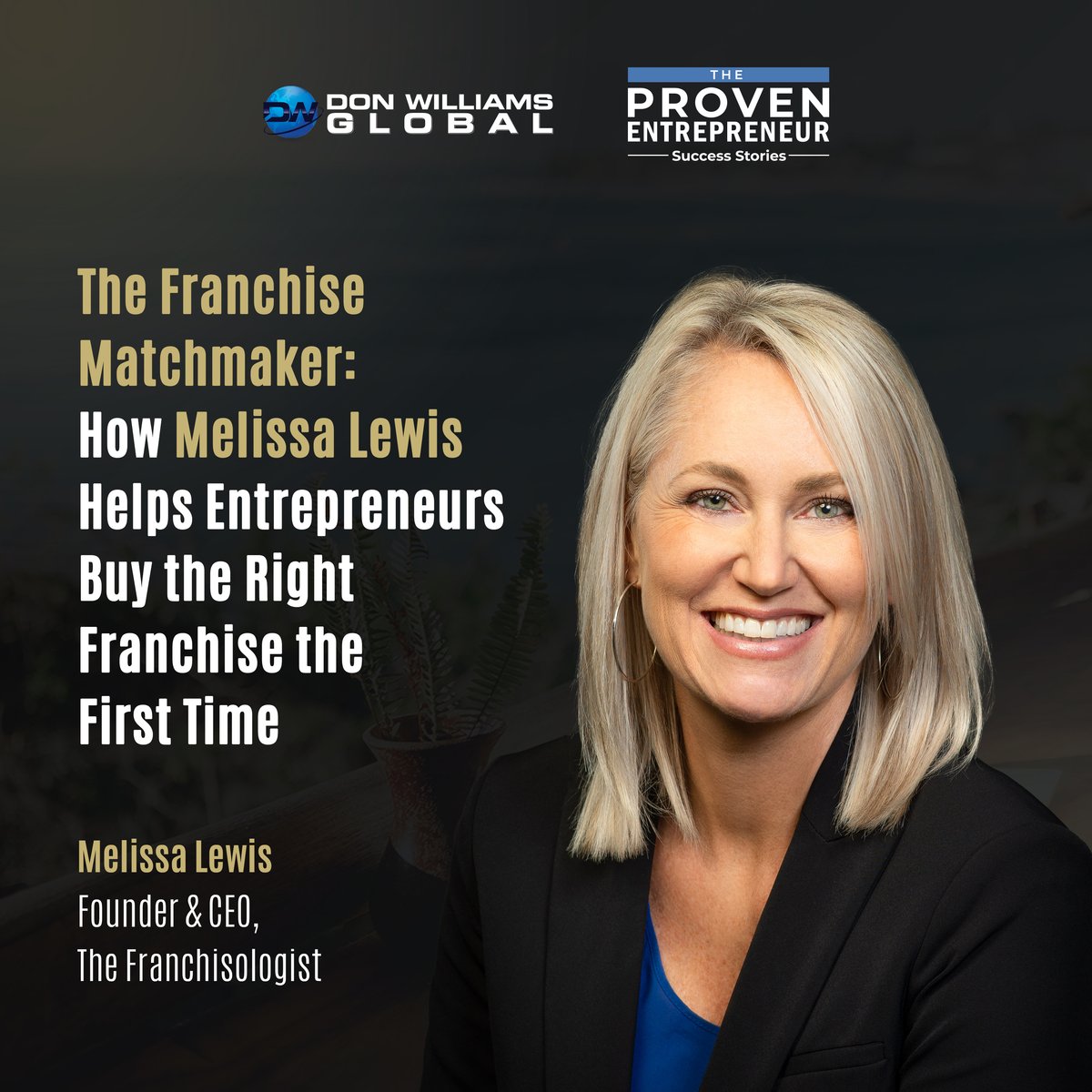
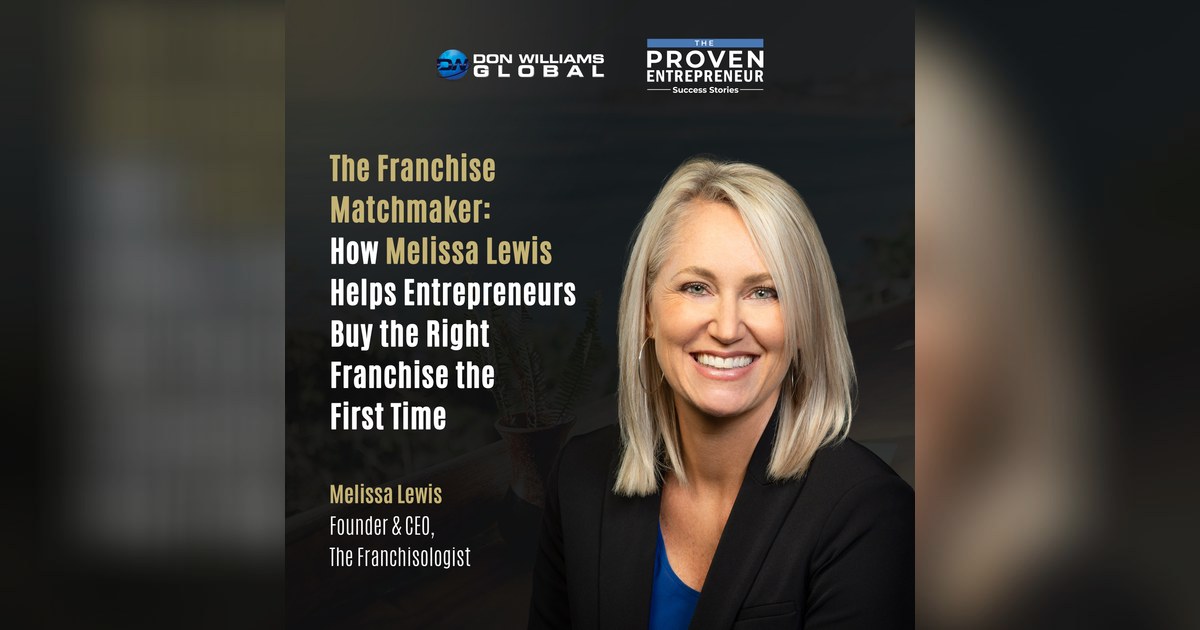
The Proven Entrepreneur — The Franchise Matchmaker: How Melissa Lewis Helps Entrepreneurs Buy the Right Franchise the First Time
Photo: Don Williams
“People get so caught up in just, I love the product or service, but they don't do the research. And that is, once again, the biggest mistake that they make.”
Episode 169 of The Proven Entrepreneur, titled The Franchise Matchmaker: How Melissa Lewis Helps Entrepreneurs Buy the Right Franchise the First Time, hosted by Don Williams, brings listeners a candid conversation with Melissa Lewis, known industry-wide as The Franchisologist. Published August 19, 2026, the episode arrives as corporate layoffs, private equity shakeups, and the search for multiple income streams push more professionals toward franchise ownership. With more than 4,000 franchise brands on the market and 22 years of matchmaking behind her, Lewis lays out why so many hopeful buyers sign the wrong deal and how to avoid becoming another cautionary tale.
Williams and Lewis move quickly past franchising 101 and into the mindset shifts that separate successful owners from expensive lessons. Listeners can expect specific, actionable threads throughout the episode:
The Proven Entrepreneur — The Franchise Matchmaker: How Melissa Lewis Helps Entrepreneurs Buy the Right Franchise the First Time
Photo: Don Williams
“People get so caught up in just, I love the product or service, but they don't do the research. And that is, once again, the biggest mistake that they make.”
- Why the average entrepreneur is system-averse, and the identity shift required to run a franchise built on structure.
- The difference between owning a great single-location business and actually being in the franchise business.
- Lewis's six-step analytical research process, including validation calls with existing franchisees and in-person Discovery Day.
- How to write a vision paragraph that defines the ten-year exit before choosing the vehicle.
Lewis is blunt about the pattern she has watched repeat for a quarter century: buyers fall for the widget, not the business model. Comparing it to dating an attractive stranger with no shared values, she tells Williams, "People get so caught up in just, I love the product or service, but they don't do the research. And that is, once again, the biggest mistake that they make." Emotional decisions are fine, she argues, but only after the numbers, the cash flow projections, and the franchisee validation calls are done. Reverse the order, she warns, and "your brain will give you reasons why your emotional decision was right."
The conversation traces Lewis's origin story to a Hawaiian coffee and smoothie franchise where she watched two types of buyers walk in: those who had worked with a consultant and understood food costs and logistics, and those who simply loved Hawaii and coffee. That contrast became her purpose. She now coaches candidates through market fit, budget, comfort zones, and skill sets before ever naming a brand, and her service is free to the buyer because franchisors pay her placement fee. Williams and Lewis also unpack the loneliness of entrepreneurship, the built-in community franchisees inherit, and why retirement today looks less like rotting on the couch and more like working on your own terms.
About The Proven Entrepreneur
Hosted by Don Williams, The Proven Entrepreneur delivers real success stories and practical playbooks from operators who have grown sales, elevated customer experience, and led teams like rock stars. The show's mission is simple: help others, help others. Episode 169 is available now wherever podcasts are heard, and at provenentrepreneurshow.com.
Frequently Asked Questions
- Who is Melissa Lewis, and what does The Franchisologist actually do?
- Melissa Lewis is a franchise consultant with 22 years in the industry who matches prospective buyers to franchise brands that fit their lives, vision, skill sets, budget, and comfort zones. Rather than pitching brands, she coaches candidates through an investor-lens evaluation and teaches them how to research franchises so they can make an educated decision about whether ownership is right for them.
- Why is Melissa Lewis's service free to the buyer?
- Lewis is compensated by the franchisors, not the candidates. As she explains on the episode, when someone becomes an owner with a brand she introduced, that franchise company pays her placement fee. That means aspiring buyers can go through her full matching and research coaching process, including exploration when they are not yet sure they want to buy, at no cost.
- What is the single most expensive mistake franchise buyers make, according to Lewis?
- Lewis says buyers fall in love with the widget instead of the business model. They get infatuated with a product or service they personally enjoy and skip the analytical work, then let their brain justify the emotional choice after the fact. She insists emotion is fine only after cash flow projections, franchisee validation calls, and business-model analysis are complete.
- What identity shift does an entrepreneur have to make to succeed inside a franchise system?
- Lewis tells Williams that system-averse entrepreneurs do not necessarily have to abandon their identity, but they must widen their vision and ask what their ultimate goal is and whether the franchise vehicle can get them there. Many seasoned entrepreneurs, she notes, actually appreciate not starting from scratch and value the ability to scale faster inside a proven structure.
- What does Lewis mean when she says franchisors are "in the franchise business"?
- She warns operators who franchise a successful concept that they are no longer in the hamburger business, or whatever their original industry was. They are now in the business of supporting, coaching, training, mentoring, and building culture and community for franchisees. Missing that shift, along with insufficient proof of concept across multiple markets, is a common startup-franchisor mistake.
- Why does Lewis have every client write a vision paragraph before looking at brands?
- The vision paragraph forces candidates to articulate their why and their exit strategy so Lewis can align them with franchises where other owners have accomplished similar goals. She points to one consulting-background client who repeatedly thanked her for making him sit down and define where he wanted to get to, which for him meant building something beyond himself so he could travel with his wife.
- What does a well-built franchise look like ten years in for the owner?
- Lewis describes owners who have built multiple units with managers in place, giving them control of their time, flexibility, and continued mental and physical stimulation. Retirement today, she says, is not rotting on the couch but working when you want, coaching the team, traveling, drawing income, and potentially leaving a family legacy that a traditional job could never provide.
Media Contact
Other Recent News for The Proven Entrepreneur
- Jon Benson on Why Brave Truth-Telling Outsells Every Sales Trick
- Noble Studios Co-Founder Reveals the Missed Tree Lighting That Rewired His Leadership
- Gino Barbaro: From Pizza to Real Estate - Building a Lasting Legacy
- Founder Justin Allan Montgomery Reveals $10K-to-8-Figure CE Course Blueprint
- Vi Wickam Warns of the Google Ads Trap Costing Entrepreneurs Millions